Proof that the Maigha model works. Every venture built on shared infrastructure, focused on capital efficiency.
Portfolio Overview
A portfolio of SaaS companies built using the Maigha framework. Lead venture:
TaxInsights — followed by MROS, AppAxioms, and MultiMagix.
LEAD VENTURE · MAIGHA × UPSILON
TaxInsights
Scenario-first tax platform for CPA firms — engineering by Maigha, domain & GTM with Upsilon
What it is
TaxInsights is a Maigha–Upsilon partnership project. Maigha builds and operates the engineering platform
(monorepo, APIs, formula engine, Template Studio, infra). Upsilon owns the tax domain and go-to-market.
The name is an internal placeholder until the market brand locks; the product UI may still show partner labels during soft launch.
Core thesis:
CPA workflows need one coherent system for prep, what-if comparison, prior-year PDF import, firm templates, and advisory—
with a first-class TaxScenario model (one scenario = one tax year), not years jammed into fake scenario groups.
The problem we solved
Scenario identity lived in worksheet columns — UI, API, and schema disagreed with how CPAs compare plans
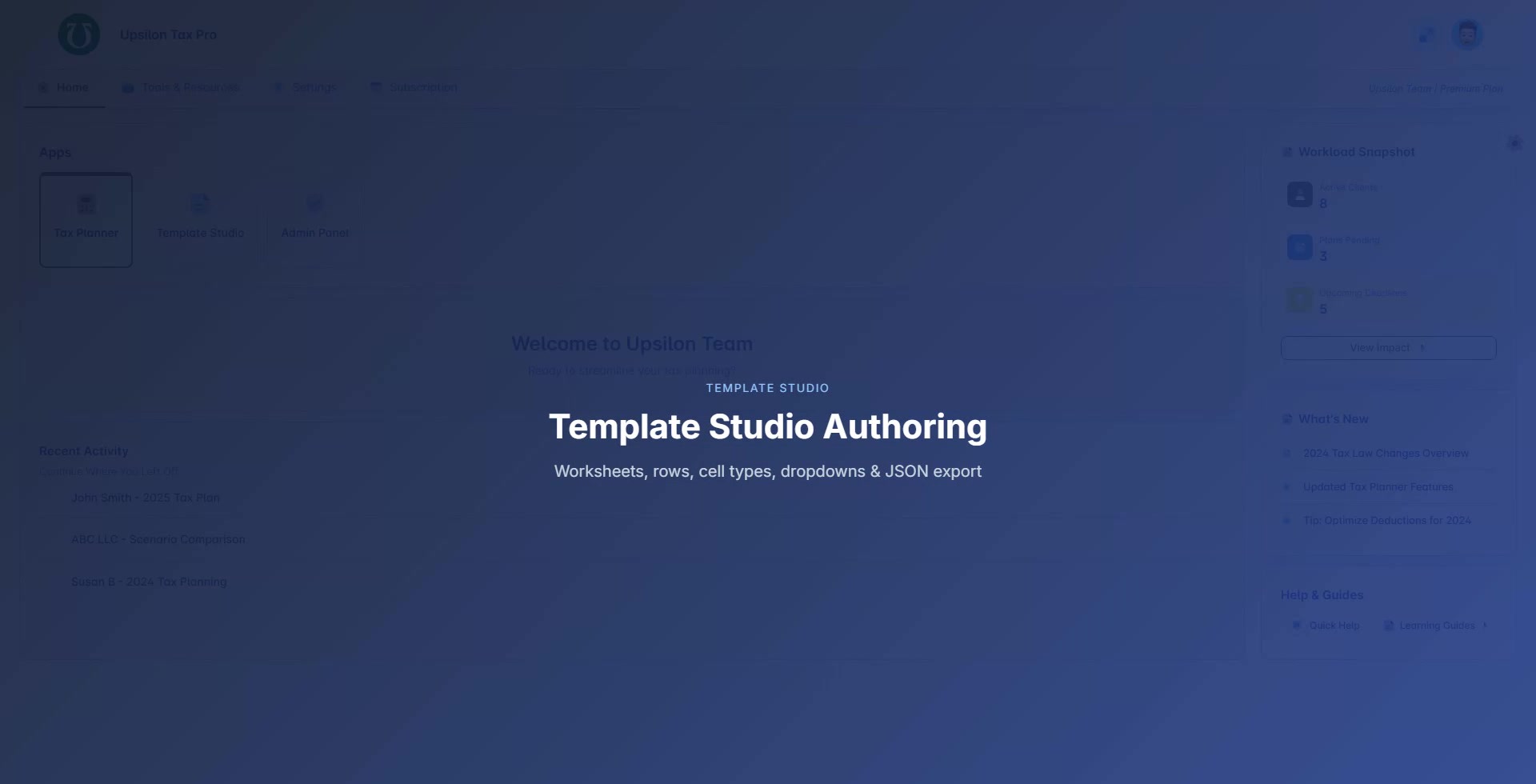
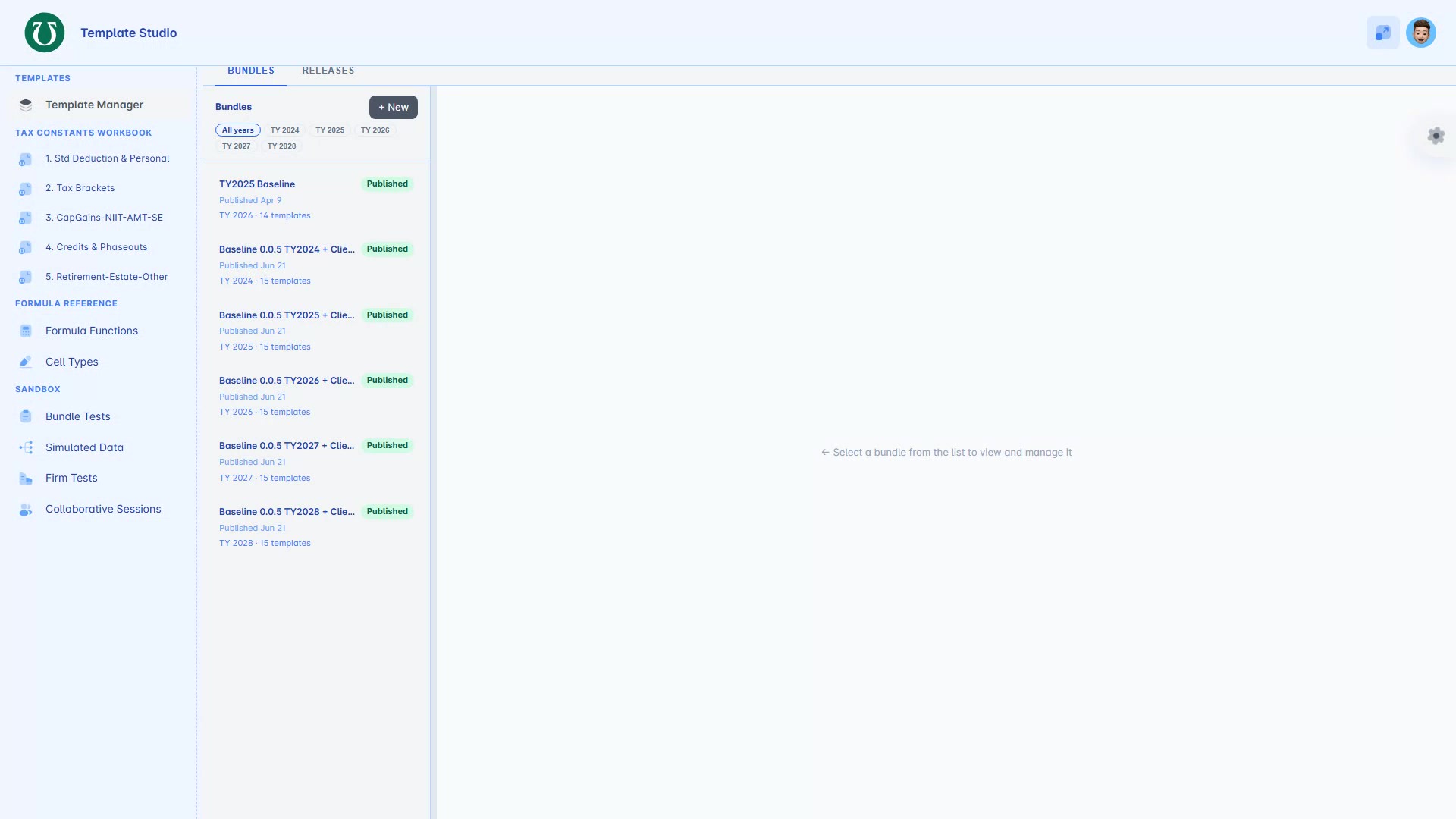
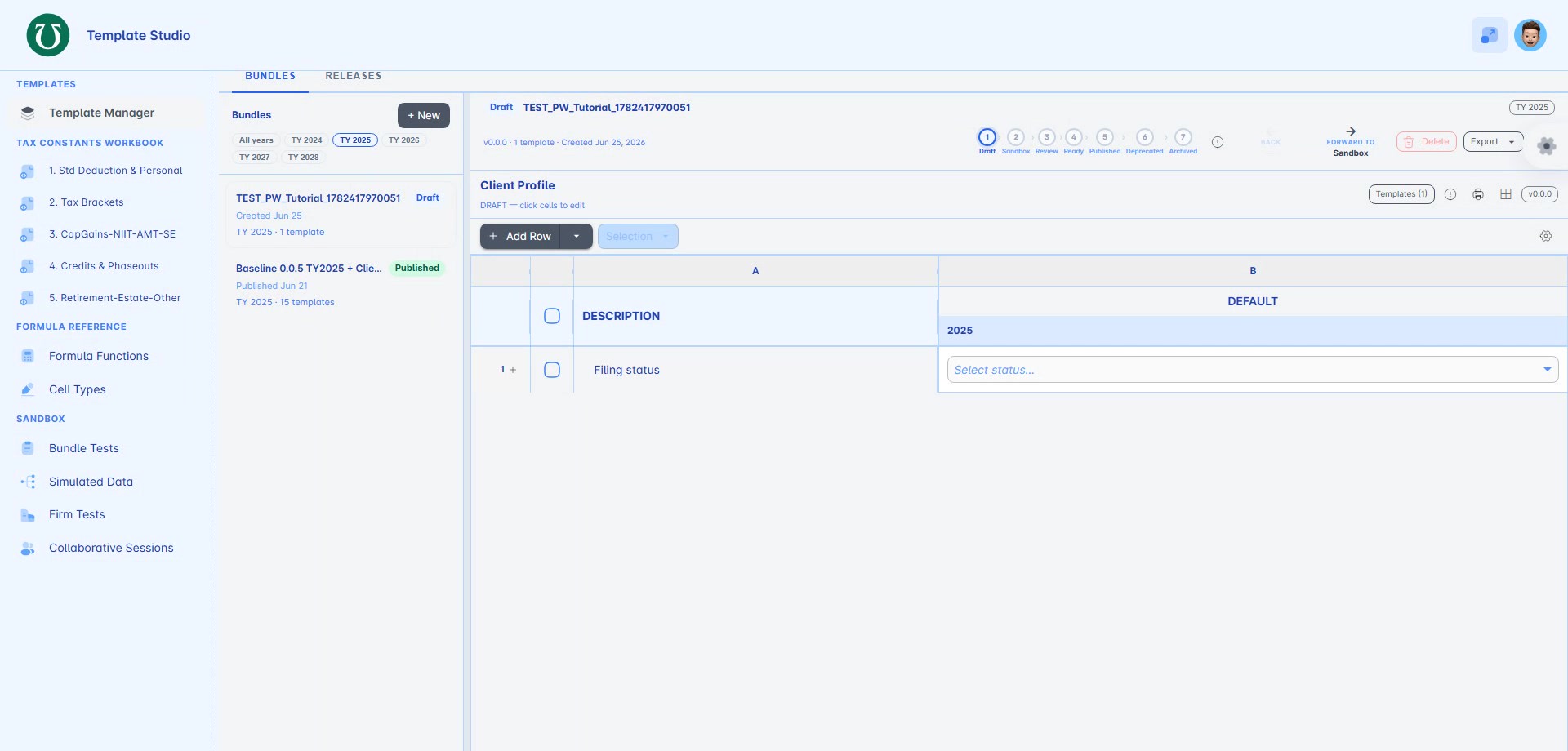
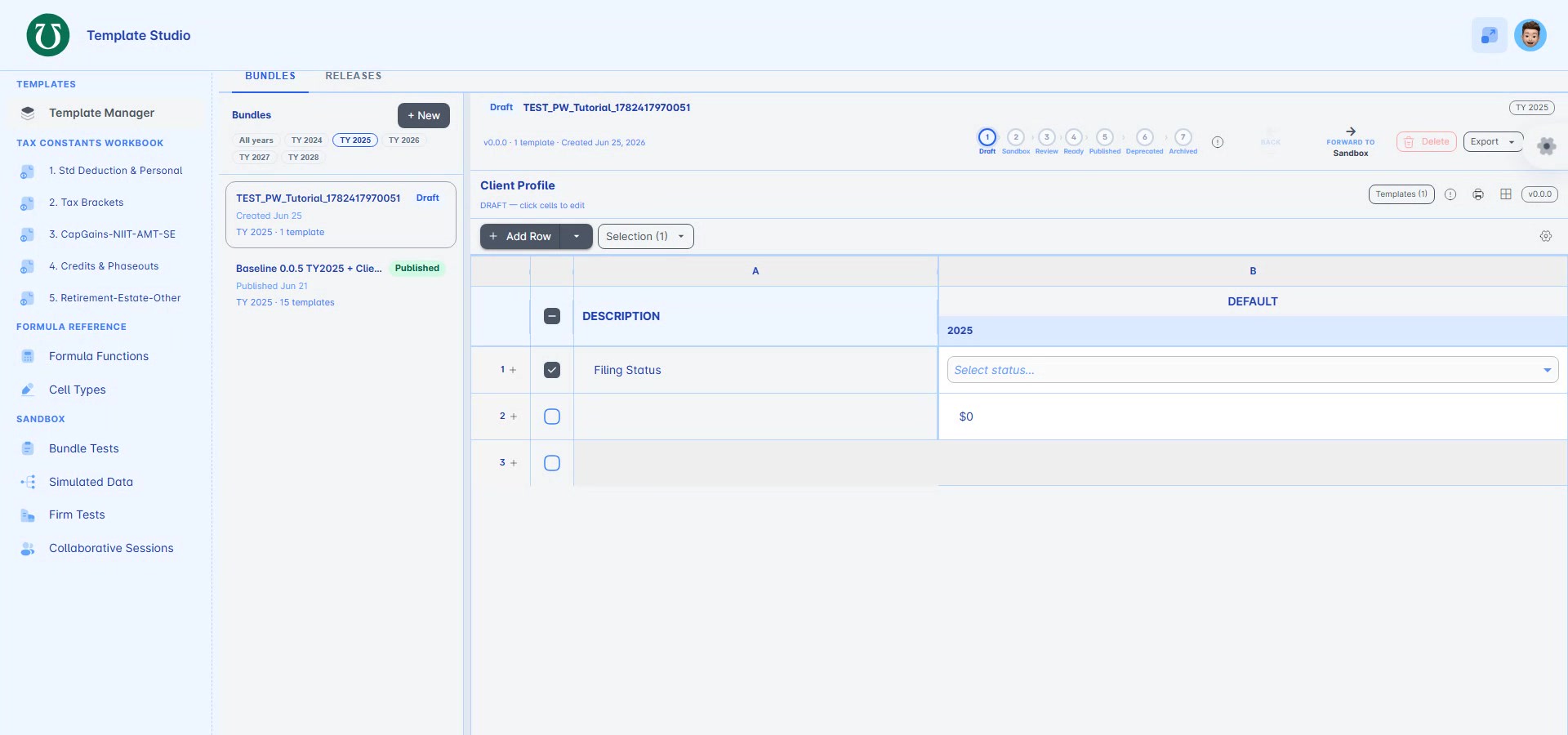
Template Studio — per-year baselinesBundle editor — draft → publishedTyped grid craft for firms
Status: November soft launch planned — limited firm cohort, production-shaped traffic, ops hardening.
Serious marketing follows once the public brand is locked.
The operating system for micro-retail — multi-tenant ops & accounting for individuals and small businesses
Origin
A customer came asking for an app for his business operations.
While we mapped the real workflow—sales, stock, people, money—the temptation was to ship a custom app for one buyer.
We didn’t. The brainstorm revealed a pattern shared by countless micro-retail operators.
That is how MROS was formed: not a private build, but an operating system for the class.
Core thesis:
Honor the first customer’s urgency—then productize. Small businesses deserve enterprise-grade tenancy, RBAC, and books—
not five duct-taped consumer tools and a one-off codebase that dies with the engagement.
From one ask → many firmsOne ops surface, not app sprawlPlatform leverage by design
The platform layer for production SaaS — gateway, multi-tenant RBAC, services, and studio tooling
What it is
AppAxioms is Maigha’s shared platform monorepo: authenticated gateways (FeMux / BeDemux),
multi-tenant RBAC, domain microservices (appgen, mailgen, logger), shared portal packages, and
aasctl + Turborepo control. It is the spine that lets ventures ship production systems
without rebuilding auth, routing, mail, and ops every time.
Core thesis:
Gateways route; services own logic. One product, three layers, many small services—
platform compound interest across TaxInsights, MROS, and the next venture.
Experience · Platform · DomainFeMux / BeDemux routing spineLeverage for every venture
Content creation and editing suite evolving into AI-powered intelligence platform
What Is It
MultiMagix started as our knowledge and branding engine—a platform for creating, editing, and publishing content.
It's evolved into a multi-faceted platform serving different teams.
Current State
Content creation and editing suite
Publishing and distribution platform
Analytics and performance insights
Future Direction
Evolving into AI-powered content synthesis platform. Focus on automating content creation, optimization,
and distribution across channels.
Strategic Role:
Genesis project that validates our platform and serves as internal marketing engine. Documentation and content
production are core assets that compound over time.
Why These Ventures
Our portfolio is deliberate. We focus on specific categories and avoid others.
We Focus On:
Vertical SaaS — Solving specific problems for specific industries
AI-first workflow tools — Automating professional services and complex processes
API & infrastructure products — Developer-focused tools that create moats
We Avoid:
Consumer apps — Difficult to monetize, high CAC
Hardware-first startups — Require capital we don't deploy
Research-only AI — We need revenue model clarity
Thesis:
Focus on domains where we can apply Maigha's unique strengths: rapid execution, shared infrastructure, and proven GTM playbooks.
Each venture should be fundable by traditional VC if it outperforms expectations.
See How We Build
Our operating model gets these ventures from idea to revenue-generating company in 9-24 months.